We Provide Best Electrical Service.

Electrical Safety Audit
Electrical Safety Audit: Service provider in India.
An Electrical Safety Audit is a systematic assessment of electrical installations, equipment and protection systems to evaluate safety conditions, identify deficiencies and review compliance with applicable standards and statutory requirements. The audit examines the condition and operation of electrical infrastructure across industrial, commercial and other facilities, with attention to electrical distribution, equipment protection, earthing, wiring and workplace safety practices. The audit scope depends on the facility, equipment and assessment requirements.
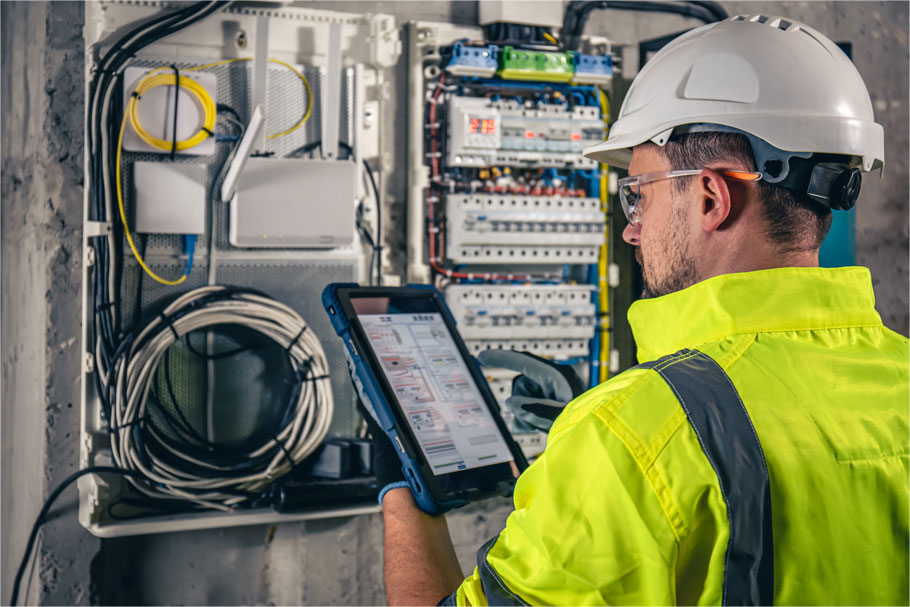
It covers workplace electrical safety checks, electrical hazard identification, inspection of power distribution systems and evaluation of electrical protection measures. Technical testing includes thermographic scanning of electrical panels, load analysis, phase balancing, earth resistance testing and insulation resistance testing (IR test). The assessment also includes short-circuit analysis and relay coordination when these studies form part of the defined audit scope.
Electrical safety auditors review installations for compliance with applicable statutory requirements, Indian standards and site-specific safety procedures. For manufacturing plants and other industrial facilities, the assessment examines electrical panels, distribution systems, machinery connections, earthing arrangements and protective devices. The audit also reviews electrical installations against relevant CEA requirements and provides documentation for internal compliance reviews and certification-related requirements. Following the inspection and testing, skilled professionals document observations, identified deficiencies and recommended corrective actions in a detailed electrical safety audit report. This documentation gives facility owners and maintenance teams a clear record of the electrical conditions identified during the audit and the actions required for further evaluation. Organizations seeking an electrical safety audit can engage a professional audit service based on their facility type, electrical infrastructure and specific assessment requirements.
Why Is an Electrical Safety Audit Necessary?
Electrical installations degrade silently. Insulation breaks down, connections loosen, protection relay settings drift and earthing resistance climbs - none of these show visible warning signs until a fault triggers a shutdown, a fire or an injury. A periodic electrical safety audit exposes these hidden deficiencies before they become incidents. It verifies that panels, earthing, cables and protection devices still meet IS standards and CEA requirements, produces a documented baseline for statutory inspections and gives maintenance teams a prioritised list of corrective actions. For pharmaceutical, chemical and manufacturing plants, a failed electrical safety inspection can mean production halt, regulator action or insurance complications - making scheduled audits a practical risk control measure, not just a compliance formality.
Case Study:
Samka Electricals & Facilities Pvt Ltd. in Badlapur, Mumbai, Maharashtra, carried out an electrical safety audit at a pharmaceutical manufacturing facility to assess its electrical installations and safety systems. The audit covered HT and LT panel inspection, thermographic scanning, load analysis, earthing evaluation and verification of applicable statutory requirements. The assessment documented electrical safety observations and provided corrective recommendations for the identified issues. The client valued our team’s detailed inspection, comprehensive reporting and practical recommendations.
Advantages:
- Deficiency Detection: Electrical inspections and testing identify conditions such as inadequate earthing, insulation defects, overloaded circuits and deficiencies in electrical protection systems.
- Power System Evaluation: The audit examines electrical distribution systems, panels, protective devices and operating conditions to identify areas requiring corrective attention.
- Technical Testing: Thermographic scanning, earth resistance testing, insulation resistance testing and load analysis provide test data for assessing the condition and performance of electrical equipment and installations.
- Maintenance Planning: Audit findings identify equipment or installation conditions that require repair, replacement, preventive maintenance or further technical evaluation.
- Compliance Review: The assessment compares electrical installations and safety practices against applicable statutory requirements, standards and site-specific procedures.
- Industry-Specific Assessment: Electrical safety audits address the requirements of manufacturing plants, commercial buildings, hospitals, IT parks, high-rise buildings and other facilities based on their electrical infrastructure and operating environment.
- Specialized Assessment: The audit covers HT and LT panels, earthing systems, electrical protection arrangements and distribution networks according to the defined audit scope and facility requirements.
Application Industries:
Manufacturing Plants
Commercial Office Buildings
IT Parks
Data Centers
Hospitals
Pharmaceutical Industries
Chemical Plants
Oil and Gas Facilities
Power Plants
Industrial Facilities
Technical Specifications
| Parameter | Specification / Detail |
|---|---|
| Audit Type | Comprehensive electrical safety and compliance audit |
| Inspection Coverage | HT and LT panels, distribution boards, cable routes, earthing system, protection devices, machinery wiring |
| Earth Resistance Test Method | Fall-of-potential (3-point) and clamp-on method |
| Insulation Resistance (IR) Test | Conducted per IS 5216 -acceptable IR values per cable rating and age |
| Thermographic Scanning | Infrared scanning of panels, busbars and cable joints to detect hot spots |
| Load Analysis | Phase loading, imbalance assessment, connected load vs rated capacity |
| Short-Circuit Study | Included when forming part of defined audit scope |
| Relay Coordination Review | Included when forming part of defined audit scope |
| Test Instruments | Kyoritsu / Megger / Fluke earth tester, thermal camera, power analyser, clamp meter |
| Applicable Standards | IS 3043, IS 5216, IS 1646, IE Rules, CEA Regulations 2010, Factories Act |
| Audit Report Contents | Test readings per point, IS compliance status, deficiency list, corrective action priority |
| Report Delivery | 2–3 working days post site inspection |
| Recommended Frequency | Annual (industrial) | Pre- and post-monsoon (hospitals, data centres, critical systems) |
| Service Coverage | Mumbai, Badlapur, Thane, Pune, Maharashtra -pan-India on request |
Frequently Asked Questions
An electrical safety audit is a detailed inspection of wiring, panels, earthing, and load systems to detect fire and shock hazards. It is required for regulatory compliance, insurance, and factory licensing.
Most factories and commercial buildings should conduct an electrical safety audit once a year, or every 6 months for high-load industrial units.
The report covers risk findings, overload points, insulation condition, earthing status, and corrective recommendations, ready for statutory submission.
Factories, warehouses, commercial complexes, and EHS-compliant industries need regular electrical safety audits to meet fire and labour department norms.
Cost depends on site size, panel count, and load capacity. Contact SAMKA Electricals for a free site assessment and quote.
Contact Us
Since 2024, Samka Electricals & Facilities Pvt Ltd has supported facilities across Badlapur, Mumbai, Maharashtra with electrical infrastructure services and safety audits tailored to their technical and assessment requirements. We conduct electrical inspections and assessments based on project requirements, applicable safety standards and the electrical infrastructure of the facility. Our services cover inspection, testing, audit documentation and recommendations for corrective action.